Closing Healthcare Gaps

At the heart of Sutter Health’s not-for-profit mission is a commitment and responsibility to expand access to care and improve the health and well-being of our communities. This means going beyond the walls of our care centers to reach those who often face barriers to clinical and behavioral healthcare and other necessary services.

Through partnerships, sponsorships and community benefit investments, Sutter Health works to close healthcare gaps by supporting organizations that provide essential health and social services in the communities we serve to help more people live healthy lives. 

Our community investments focus on three priority areas:

Invested over past five years in community benefit programs and services, including targeted investments in community health programs and partnerships, unreimbursed costs for Medi-Cal patients, and training, education and development of future healthcare professionals
$ 0 B
Invested over the past five years to support more than two dozen Federally Qualified Health Centers, helping to serve almost 800,000 patients
$ 0 M
Invested to help train 5,000 high school students in healthcare career pathways through a partnership with community colleges
$ 0 M

Strengthening community healthcare safety nets

Over the past five years, Sutter has invested $47 million to support more than two dozen Federally Qualified Health Clinics, serving almost nearly 800,000 patients. Partnerships with FQHCs expand the availability of accessible, affordable primary care in under-resourced communities. A few examples include:

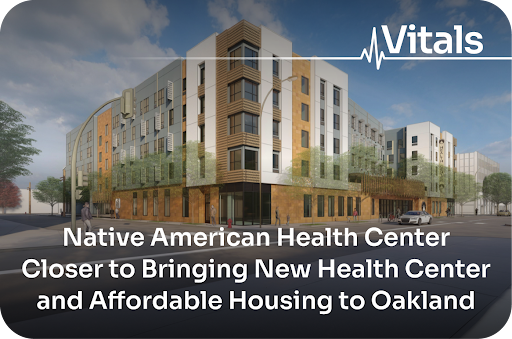
  • The Native American Health Center in Oakland’s Fruitvale District: Sutter Health’s $1 million investment is helping expand access to care for thousands of community members through a new 14,000-square-foot health center that will add 20,000 dental visits per year, provide space for vital social services and cultural programs, and bring 76 affordable housing units to the neighborhood. The project strengthens long-term community well-being by integrating health services, dental, social services, plus cultural events, classes and affordable housing in one location. 
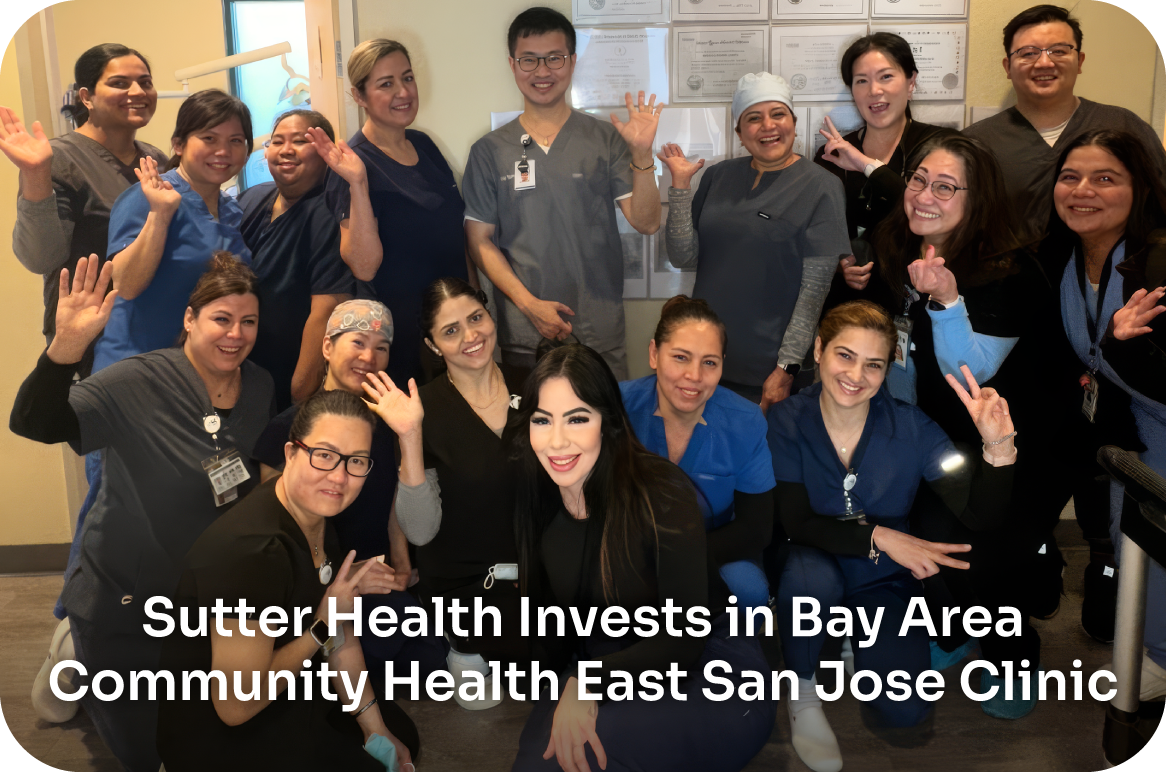
  • Bay Area Community Health’s McKee Health Clinic in East San Jose: This flagship site will bring much needed healthcare resources to East San Jose residents, including medical, dental, vision and mental health care all under one roof. Sutter’s $250,000 investment is helping make this comprehensive care possible.
  • Gregory Bunker Care Transitions Center of Excellence (WellSpace Health, South Sacramento): Sutter provided initial support when the center opened and in 2025 provided a $350,000 investment to help expand the Interim Care program to create a supportive, safe environment where people experiencing homelessness can recover after hospitalization. The center offers 24/7 nursing care, case management, meals, shelter, laundry, and housing navigation, and now helps more than 600 clients each year transition successfully back into the community.

Program gives high school students pathway to health careers

Sutter’s NextGen Scholars program provides education opportunities and career pathways in healthcare for high school students, with the goal of training 5,000 students by 2030. A few examples include:

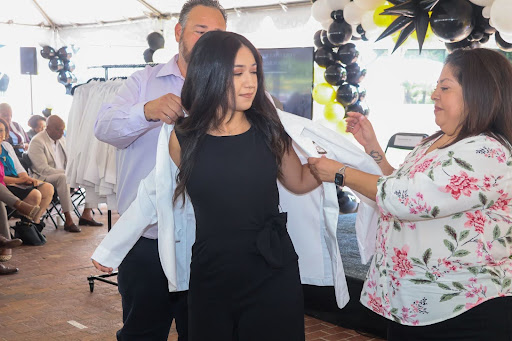
  • A partnership with Los Rios Community College District that allows students to work toward a community college certificate in their field of interest and gain work experience at Sutter Health care facilities.
  • A collaboration with Karma Club Teen and Dominican University in Marin County to launch the Future Healers Academy. Sutter invested $25,000 to fund stipends for 25 high school students and remove financial barriers for underserved youth to give them early exposure to healthcare careers through lectures, Basic Life Support certification, and hands-on human physiology lab experience. 
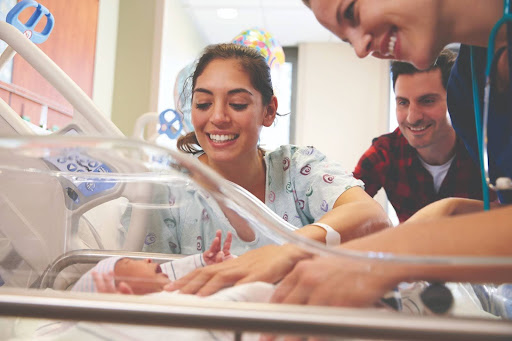
Medical professionals, patient, and family member smiling looking at newborn baby.

Sutter partners with community clinic to tackle OB-GYN physician shortage

Through a newly accredited OB-GYN physician residency program, residents will train at Sutter Roseville Medical Center and at Placer Community Health Center, a Federally Qualified Health Center operated by WellSpace Health, serving low-income patients in Placer County. Training more of these specialists will help improve access to women’s healthcare in many communities, especially in regions experiencing physician shortages.

  • WellSpace Health’s new Placer Community Health Center is supported by a $2.9M investment by Sutter Health and expects to serve 39,000 patients annually, most of whom are Medi-Cal recipients. Services include primary care, pediatrics, women’s health, behavioral health and dental services, along with a comprehensive perinatal program that will be staffed by OB/GYN resident physicians from Sutter Roseville Medical Center’s graduate medical education program. 
  • 50%+ of babies born in California are covered by Medi-Cal, highlighting the need for more accessible OB-GYN services.
  • The first cohort of residents will begin training in July 2026.

Training tomorrow’s physicians and other healthcare professionals

Sutter has a broad strategy to expand medical education and help address healthcare access challenges for patients across Northern California. Part of this work includes collaborating with academic partners like UCSF, Stanford University, UC Davis, Dartmouth College, Western University, California Northstate University, Touro University California, California Health Sciences University and San Francisco State University to grow academic programs. A few examples include:

  • Sutter is partnering with Los Angeles–based Charles R. Drew University—one of only four Historically Black Medical Schools in the country—to expand pathways into medicine by funding 50 full-tuition scholarships for medical students from 2024–2028, while also providing clinical rotations and research electives at Sutter medical centers.
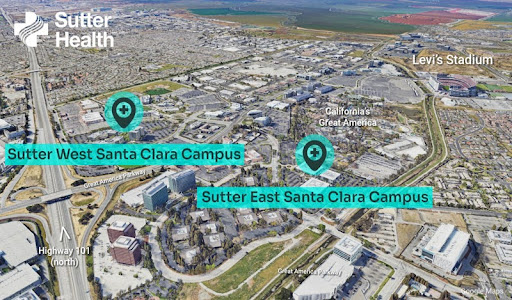
  • Sutter is teaming up with West Valley-Mission Community College in Santa Clara to develop a 70,000-square-foot STEM Center that will provide healthcare students with hands-on training in advanced technologies, and create a seamless pipeline for internships, specialized training, and career readiness.
  • With Sierra College in Rocklin, Sutter is removing basic-needs barriers so students can succeed—starting with a program that funds housing and meals for one student each year. Sutter is also investing an additional $2 million in Sierra College’s Allied Health Training Center to address the region’s workforce shortage by expanding pathways into critical healthcare roles—such as CNAs, EMTs, medical assistants, radiology technologists, sterile processing, and surgical technicians.

Street Medicine Program reaches those most in need

In 2026 Sutter is strategically investing $2 million in community partners that support street medicine programs across Sacramento, the Central Valley, and San Francisco, with a projected reach of nearly 4,500 individuals as part of a broader effort to expand access to care in the communities we serve. The aim of the street medicine programs is to deliver high-quality, patient-centered medical care directly to unsheltered individuals who face steep barriers to healthcare. Services include bedside consults, primary care, preventive screenings, overdose prevention, street/field-based mental health and substance use services, case management, and connections to community resources—helping to improve health outcomes while reducing unnecessary hospital readmissions. 

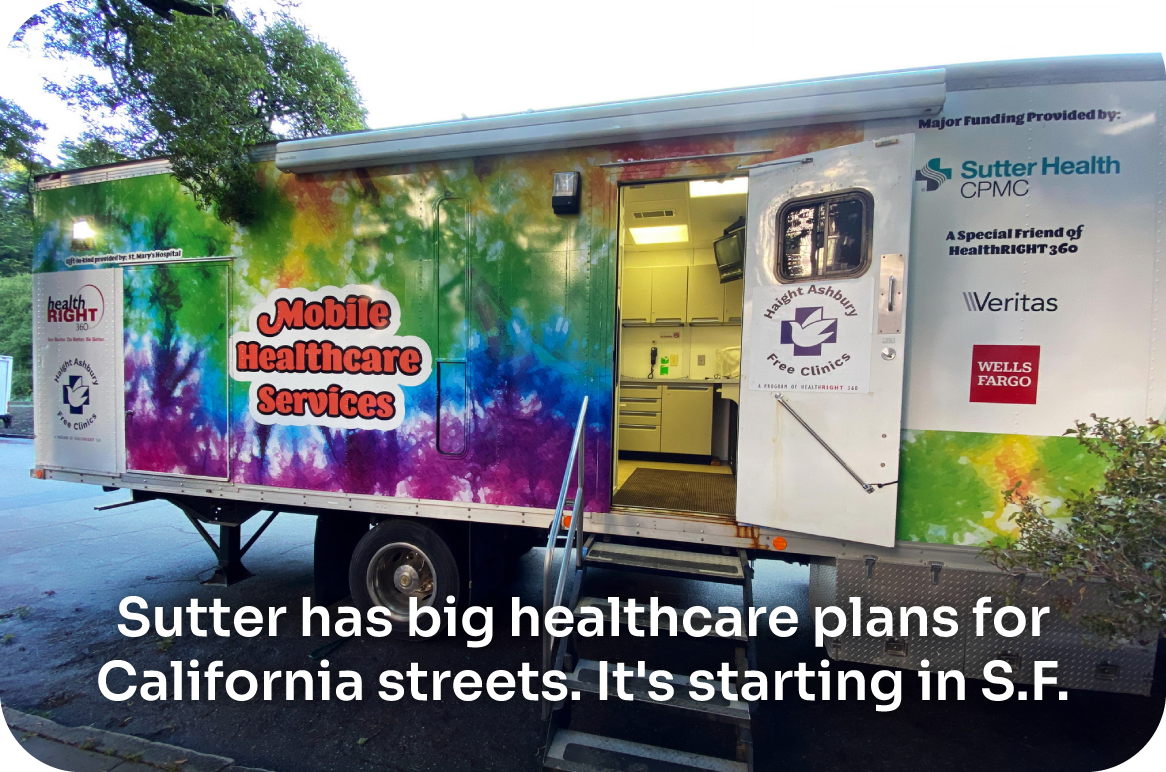
  • HealthRIGHT 360’s Mobile and Street Medicine Program in San Francisco: Serving an estimated 350 individuals annually, a HealthRIGHT 360’s mobile medical unit brings high-quality, compassionate care directly to people experiencing homelessness, many of whom struggle with mental health conditions and substance use disorder. Sutter Health’s $1 million investment expands street medicine capacity to integrate behavioral health services and deliver urgent and primary care, preventive screenings, wound care, vaccinations, lab work, and case management to vulnerable patient populations.